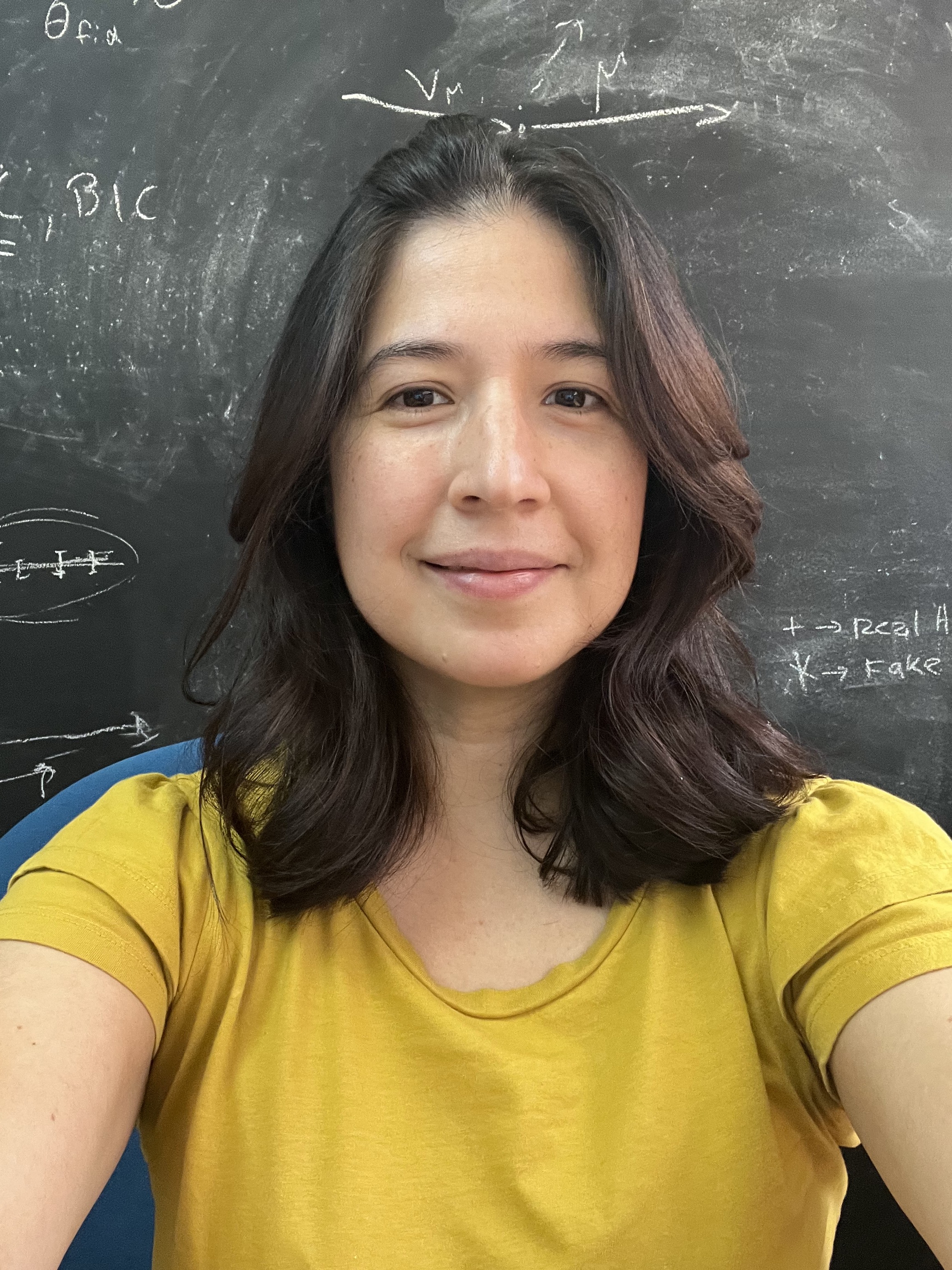





New Coordination in HAWC: Sara Coutiño De León, IFIC Researcher, to Assume Leadership of the Galactic Sources Group
Researcher Sara Coutiño De León, a member of the Institute of Corpuscular Physics (IFIC — a joint center of the Spanish National Research Council, CSIC, and the University of València), has been appointed co-coordinator of the Galactic Sources Working Group within the international collaboration of the HAWC gamma-ray observatory (High-Altitude Water Cherenkov Observatory).
The Galactic Sources Group is one of the most active scientific teams within HAWC. Historically, it has produced the largest number of publications in the collaboration and plays a key role in the study of astrophysical phenomena of great interest, such as pulsars and gamma-ray halos, supernova remnants, hadronic and leptonic processes, and particle acceleration models in the Milky Way.
This appointment represents a significant scientific responsibility for Sara Coutiño De León, including the coordination and supervision of ongoing analyses, the organization of group meetings and scientific activities, the mentoring of early-career researchers, the preparation of publications, and the strengthening of international collaboration among more than one hundred scientists from different countries participating in HAWC.
The HAWC Observatory, located in Mexico at an altitude of over 4,100 meters, is one of the leading experiments in the study of the very-high-energy gamma-ray sky. Its contributions have been fundamental to advancing our understanding of the most energetic processes in the universe.
With this co-coordination role, IFIC strengthens its presence in a high-impact international collaboration and contributes directly to the scientific development of the experiment.
«It is an honor to be part of the coordination of the Galactic Sources Group in HAWC. This role represents a great responsibility and an opportunity to continue advancing key studies on the most energetic processes in our galaxy», the researcher states. «I hope to contribute to strengthening scientific collaboration and to continue developing high-impact analyses together with colleagues from around the world», she concludes.
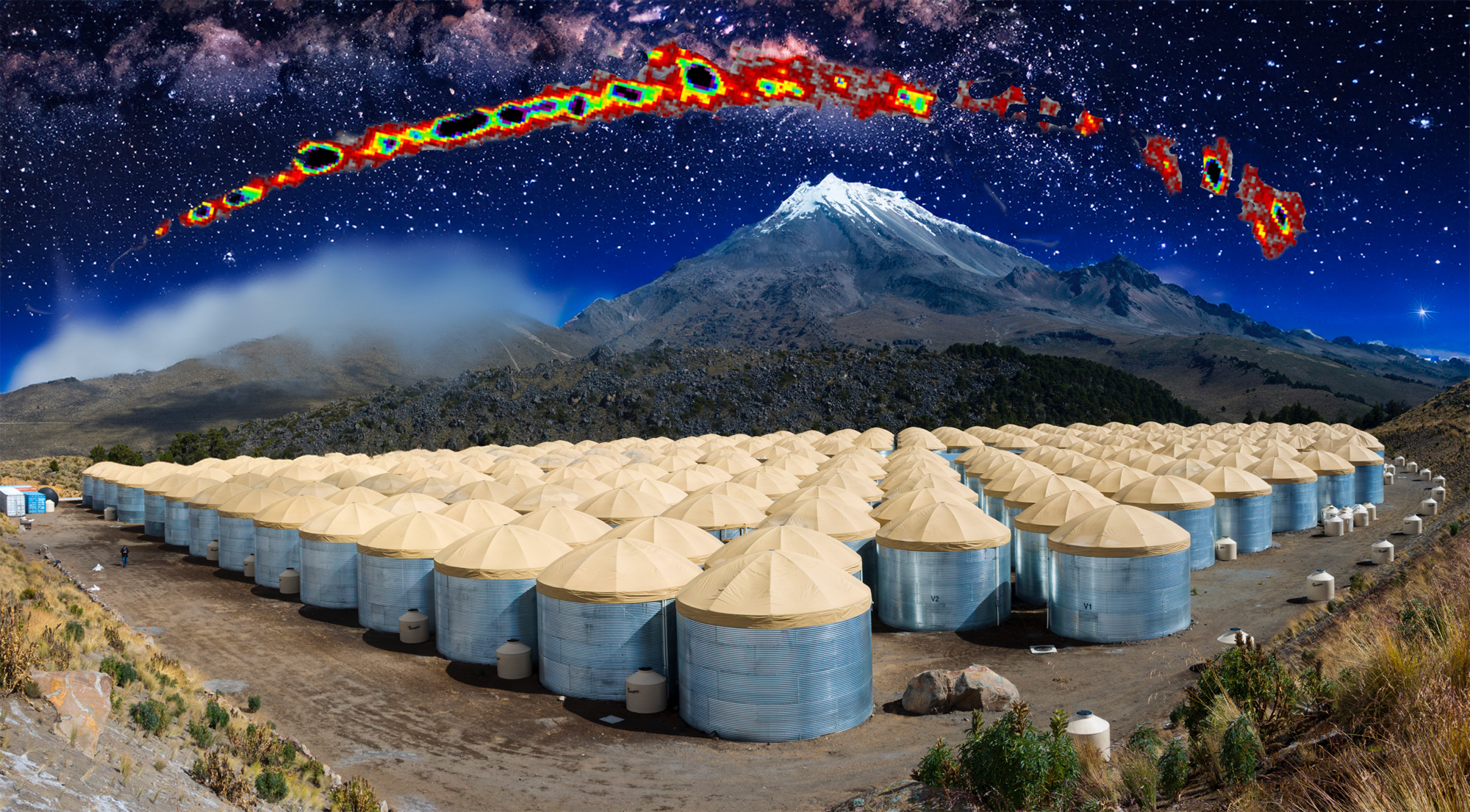
HAWC image showing the Galactic plane overlay. Credit: J. Goodman.